
Social Equity Ownership Program In Arizona

Special to the Arizona Informant
Since the inception of the state of Arizona’s Cannabis Social Equity Ownership Program(SEOP), there have been several complaints regarding the lack of oversight, adherence to the rules of the program and blatant violations of the process in which the licenses were awarded. Several individuals have attempted to participate and or were awarded a license.
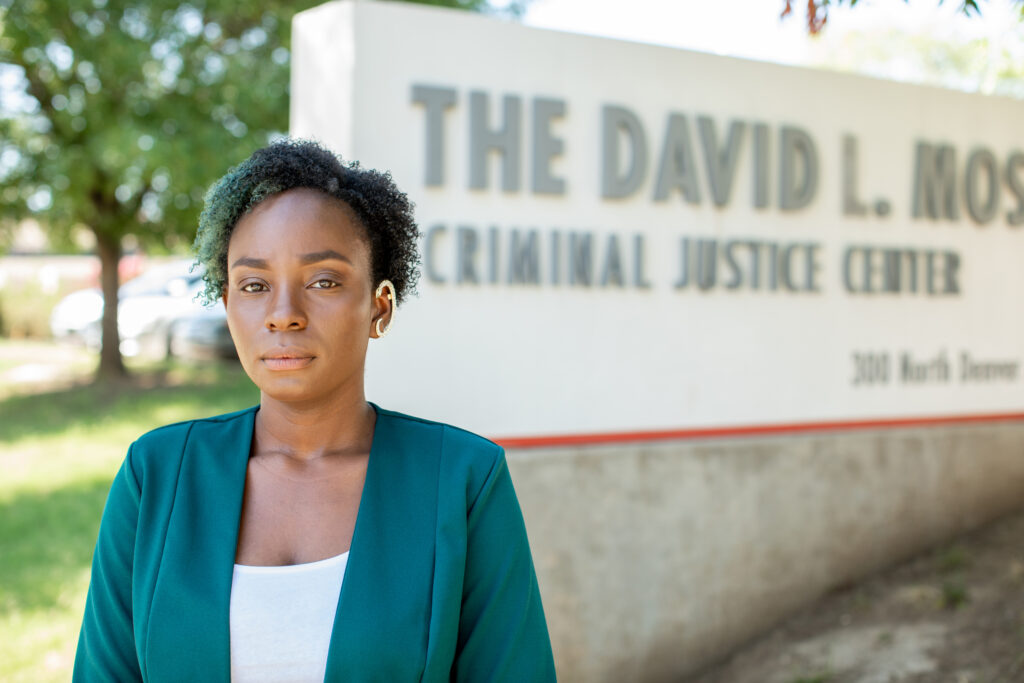
Another example of the process gone wrong is license awardee Kiandrea Mandley. As a young Black female and cancer survivor born and raised in South Phoenix,the promise of acquiring a social equity license was truly a blessing for her and her family. “ I was contacted by a person who represented that he was experienced in the cannabis industry and could help me through the licensing process”, stated Mandley. “He assured me that it was his interest to help me, as a Black woman, and to ensure that I had an opportunity to join the industry and to give back to my community. Unfortunately for me, nothing could have been further from the truth.”
Throughout the entire personal experience, she only met people who have preyed upon her as well as other social equity applicants. She was told that there was no need for an attorney to review the documents. After all, the program was designed and promoted as an opportunity for people from disproportionately impacted communities to gain entrée into the lucrative cannabis industry.
The stress from this entire situation has been overwhelming and has resulted in Mandley being hospitalized. “ I know that there are other social equity license holders who have suffered the same fate. In my opinion, the problem with the social equity program was systemic and has been an abysmal failure. The program resulted in 26 lottery tickets, which, in my opinion, were stolen by predatory individuals in the industry”.
Mandley hopes that it is not too late for the State to step up to the plate and correct the obvious flaws in the program. She believes it is not too late and that at the end of the day, more individuals that were intended to benefit from the program will do so very soon.
The next installment of this series will focus on the problems that the State needs to address to correct the major issues of this lucrative business.



Leave a Reply